logo-01.8315cd3f.png&w=256&q=75)
What Does a Sound Engineer Do?
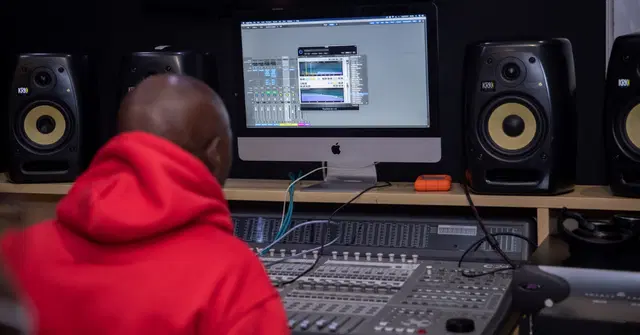
A sound engineer (also called an audio engineer) is a technical and creative professional responsible for recording, mixing, editing, and reproducing sound. Sound engineers work across multiple industries — music, film, television, live events, podcasting, gaming, and advertising — using specialised equipment and software to capture and shape audio.
Sound engineering is a career that combines technical expertise with creative sensibility. A great sound engineer doesn't just know how to operate equipment — they understand how sound affects emotion, storytelling, and audience experience.
Types of Sound Engineering
Sound engineering encompasses several distinct specialisations:
Studio Recording Engineer
Works in recording studios capturing music, voice-overs, and audio for various projects. Responsible for microphone selection and placement, operating mixing consoles, and ensuring clean, high-quality recordings. This is the most traditional form of sound engineering.
Mixing Engineer
Takes recorded tracks and blends them into a cohesive final mix. Mixing involves balancing volume levels, applying EQ and compression, adding effects (reverb, delay), panning instruments across the stereo field, and ensuring the mix translates well across different playback systems — from studio monitors to earbuds.
Mastering Engineer
The final step before distribution. Mastering engineers optimise the overall sound of a finished mix — adjusting loudness, dynamics, and tonal balance so the track sounds polished and consistent across all platforms and devices. Mastering is a highly specialised skill requiring trained ears and calibrated monitoring environments.
Live Sound Engineer
Manages audio for live events — concerts, festivals, conferences, theatre, and worship services. Live sound engineers operate PA systems, set up microphones, run soundchecks, and mix audio in real-time during performances. This requires quick problem-solving skills and the ability to work under pressure.
Film and Post-Production Sound Engineer
Creates and manages audio for film, television, and video content. This includes recording dialogue on set (production sound), editing and cleaning dialogue in post-production, creating and layering sound effects (Foley), and mixing the final audio track. Film sound engineers work closely with directors to ensure audio supports the visual storytelling.
Game Audio Engineer
Designs and implements sound for video games — character voices, environmental sounds, music, UI sounds, and spatial audio. Game audio is interactive, meaning sounds must respond dynamically to player actions. This is one of the fastest-growing areas of sound engineering.
Essential Sound Engineering Skills
Technical Skills
DAW proficiency — Pro Tools (industry standard for studios), Logic Pro, Ableton Live, FL Studio
Microphone techniques — selection, placement, and polar patterns for different recording scenarios
Mixing fundamentals — EQ, compression, reverb, delay, panning, automation, and gain staging
Signal flow — understanding how audio moves through equipment from source to output
Acoustics — how room treatment, reflections, and speaker placement affect sound quality
Hardware operation — mixing consoles, audio interfaces, outboard processors, and monitoring systems
Creative and Professional Skills
Critical listening — trained ears that can identify frequency imbalances, phase issues, and subtle audio problems
Musical understanding — knowledge of arrangement, harmony, and rhythm helps you make better mix decisions
Communication — translating artistic vision into technical execution with artists, producers, and directors
Problem-solving — troubleshooting equipment issues, feedback, noise, and signal problems quickly
Project management — managing sessions, file organisation, version control, and delivery deadlines
Sound Engineering Career Path and Salary in Kenya
Career Progression
A typical sound engineering career path:
Intern / Studio Assistant — learning the fundamentals, setting up equipment, assisting senior engineers
Junior Sound Engineer — running recording sessions, basic mixing, live sound support
Sound Engineer — independently managing recording, mixing, and post-production projects
Senior Engineer / Head of Audio — leading teams, managing studio operations, mentoring juniors
Specialist roles — mastering engineer, sound designer, audio director, studio owner
Salary Ranges in Kenya
Junior Sound Engineer (0-2 years): KES 25,000-50,000 per month
Mid-Level Engineer (2-5 years): KES 50,000-120,000 per month
Senior Engineer / Specialist (5+ years): KES 120,000-250,000 per month
Freelance engineers: KES 5,000-30,000 per session, with top engineers earning KES 200,000+ monthly
Where Sound Engineers Work in Kenya
Recording studios — Ogopa DJs, Decimal Records, Pavement Studios, Ayrosh Studios
Film and TV production — major productions, streaming content, advertising agencies
Live events — concert venues, festivals (Koroga, Blankets & Wine), churches, corporate events
Radio and podcasting — radio stations, podcast production studios
Freelance �� serving multiple clients across music, film, events, and content creation
How to Become a Sound Engineer
Get formal training — learn the fundamentals of acoustics, signal processing, and DAW operation in a structured programme. Self-teaching can fill gaps, but formal training provides the systematic foundation and studio access that accelerates learning.
Build your technical foundation — start with one DAW (Logic Pro or Pro Tools are most widely used in Kenya) and learn it deeply before expanding to others.
Practice with real projects — record and mix music for friends, local artists, or your own projects. Every session teaches you something new.
Assist experienced engineers — studio internships and assistant roles give you hands-on experience with professional equipment and workflows.
Build your portfolio — compile your best recordings, mixes, and productions. Include before/after examples to show your skills.
Specialise — as you gain experience, focus on the area that excites you most (studio recording, live sound, film audio, game audio).
Sound Engineering Schools in Kenya
Aspiring sound engineers often search for the best sound engineering schools to kickstart their careers. When evaluating sound engineering schools in Kenya, prioritise institutions with professional studio facilities, industry-standard equipment (Pro Tools, Logic Pro), and real recording sessions — not just classroom theory. Audio engineering schools that offer hands-on studio time from day one produce graduates who are job-ready. ADMI's sound engineering programme provides access to a fully equipped recording studio and live sound setup, giving students practical experience that employers value.
Study Sound Engineering at ADMI
At ADMI (Africa Digital Media Institute), our sound engineering programmes give you hands-on experience in professional recording studios with industry-standard equipment. You'll learn from practising sound engineers and music producers.
Sound Engineering Diploma — comprehensive programme covering recording, mixing, mastering, live sound, and music production
Music Production & Sound Engineering Certificate — focused foundation programme for beginners
Intakes in January, May, and September. Explore our courses or apply now.
Related programme
Ready to turn this into a career? Explore ADMI’s Sound & Audio Engineering diploma.