logo-01.8315cd3f.png&w=256&q=75)
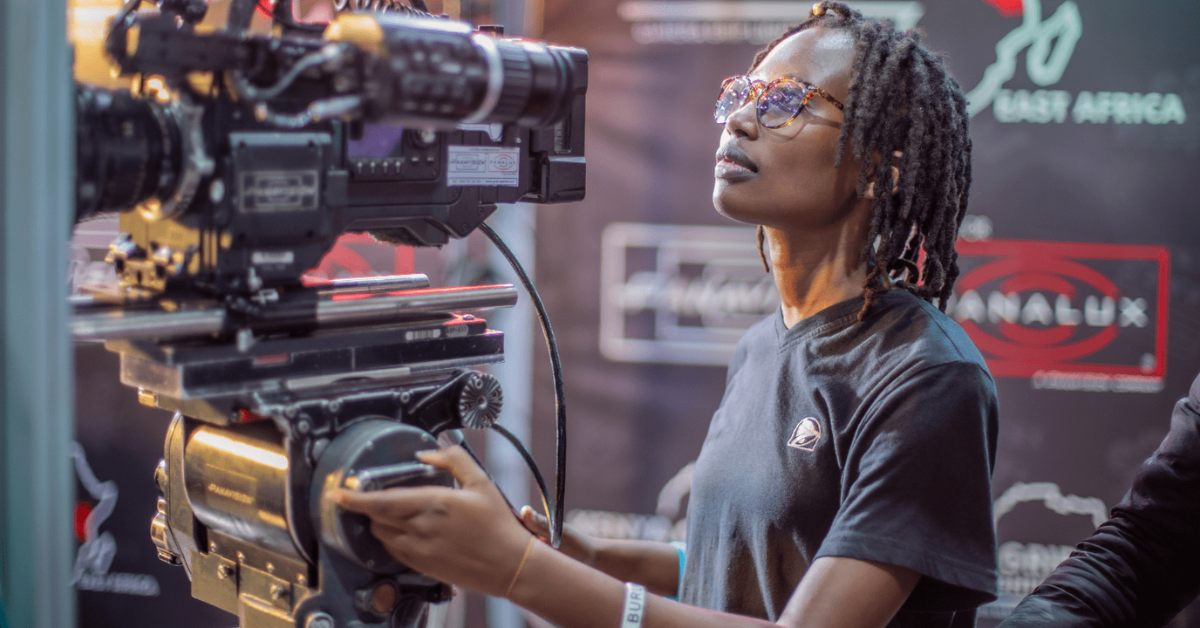
Video is everywhere. TikTok, YouTube, Instagram Reels, corporate training, wedding highlights, music videos, brand adverts — every platform and every industry runs on video content. In Kenya, the demand for skilled videographers and video editors has never been higher.
But there is a big difference between shooting shaky clips on a phone and producing professional video that clients pay for. Structured training bridges that gap. This guide covers videography and video editing courses available in Kenya — from 6-month certificates to 18-month diplomas.
What Videography Training Covers
Camera operation — understanding manual camera settings, lens selection, exposure, white balance, and frame rates for different video styles
Lighting for video — three-point lighting, natural light, LED panels, and creating mood through light. Lighting transforms amateur video into professional content
Audio capture — recording clean sound on set using lavalier microphones, boom microphones, and external recorders. Bad audio ruins good video
Composition and framing — rule of thirds, shot types (wide, medium, close-up), camera movement, and visual storytelling
Video editing — Adobe Premiere Pro, DaVinci Resolve, cutting techniques, pacing, transitions, colour grading, and delivering final files
Storytelling — structuring a video narrative, scripting, shot lists, and storyboards
Here's something most guides won't tell you. The film industry in Kenya isn't waiting for you to get a degree. It's moving fast — and the people getting hired are the ones who can actually operate a camera, edit a sequence, or manage a set. We've seen this pattern at ADMI for over a decade.
"Almost 90% of the content we consume is from the rest of the world — from Mexican soaps to Malaysian stories to big box office American movies," says Wilfred Kiumi, who founded ADMI in 2012 after growing up in a Nairobi slum and working in a barbershop to fund his own education. "This is where we can have a great impact on the world, and also on how the world sees Africa."
That vision became reality in 2018. Eight ADMI graduates worked on Watu Wote, a short film nominated for an Oscar — the first time a Kenyan production team had reached the Academy Awards. Claire Njoki, who designed the film's set at age 22, put it simply: "I believe that people in Hollywood are not the only ones who can make good films."
Videography Course Options
Video Production Certificate (6 months)
The Video Production Certificate at ADMI teaches the fundamentals of professional video production in 6 months. You learn to shoot, light, capture audio, and edit — graduating with a portfolio of completed video projects.
Entry: D+ in KCSE. Ideal for school leavers, career changers, and anyone wanting to add video skills quickly.
Film and Television Production Diploma (18 months)
For deeper training, the Film and Television Production Diploma covers everything the certificate does plus directing, cinematography, screenwriting, sound design, and production management. ECTS-accredited with ECTS credits.
Entry: C- in KCSE, or completed certificate.
Digital Content Creation Diploma (18 months)
If your focus is creating video for social media and digital platforms (rather than film), the Digital Content Creation Diploma combines video production with social media strategy, photography, and digital marketing.
Career Paths for Videographers in Kenya
Event videographer — weddings, corporate events, concerts. KES 15,000-80,000 per event. Kenya's events industry provides consistent work year-round
Corporate video producer — training videos, company profiles, product demos, internal communications. KES 40,000-120,000 per month employed
Social media video creator — creating reels, TikToks, and YouTube content for brands. KES 30,000-100,000 per month
Music video director/cinematographer — Kenya's music industry produces hundreds of music videos per year. KES 50,000-200,000+ per video
News and documentary videographer — working for media houses or NGOs. KES 40,000-100,000 per month
Freelance video editor — editing for multiple clients. KES 5,000-30,000 per project. Platforms like Upwork and Fiverr connect editors with global clients
YouTube creator — building your own channel and earning through ads, sponsorships, and affiliate marketing
Video Editing Software You Will Learn
Adobe Premiere Pro — the most widely used video editor in Kenya's agencies and production companies. Your primary editing tool
DaVinci Resolve — professional colour grading and increasingly popular as a full editing suite. The free version is extremely capable
After Effects — for motion graphics and visual effects in video. Titles, lower thirds, animated elements
Frequently Asked Questions
Do I need my own camera?
No. ADMI provides professional camera equipment, lighting, and audio gear during the programme. You learn on the same quality of equipment used in professional productions.
Which is better — certificate or diploma for videography?
The certificate (6 months) teaches you to shoot and edit professionally. The diploma (18 months) adds directing, cinematography, screenwriting, and EU accreditation. Choose the certificate for speed; choose the diploma for depth and stronger credentials.
Can I earn money while studying?
Many students start taking on small video projects (events, social media content) midway through the programme. The skills are immediately applicable.
Watch: Film & Video at ADMI
See what studying at ADMI is really like — watch these videos from our YouTube channel:
Start Filming
Video Production Certificate — 6 months, learn the fundamentals fast
Film & TV Production Diploma — 18 months, ECTS-accredited, comprehensive
Apply for May 2026 — intake open