logo-01.8315cd3f.png&w=256&q=75)
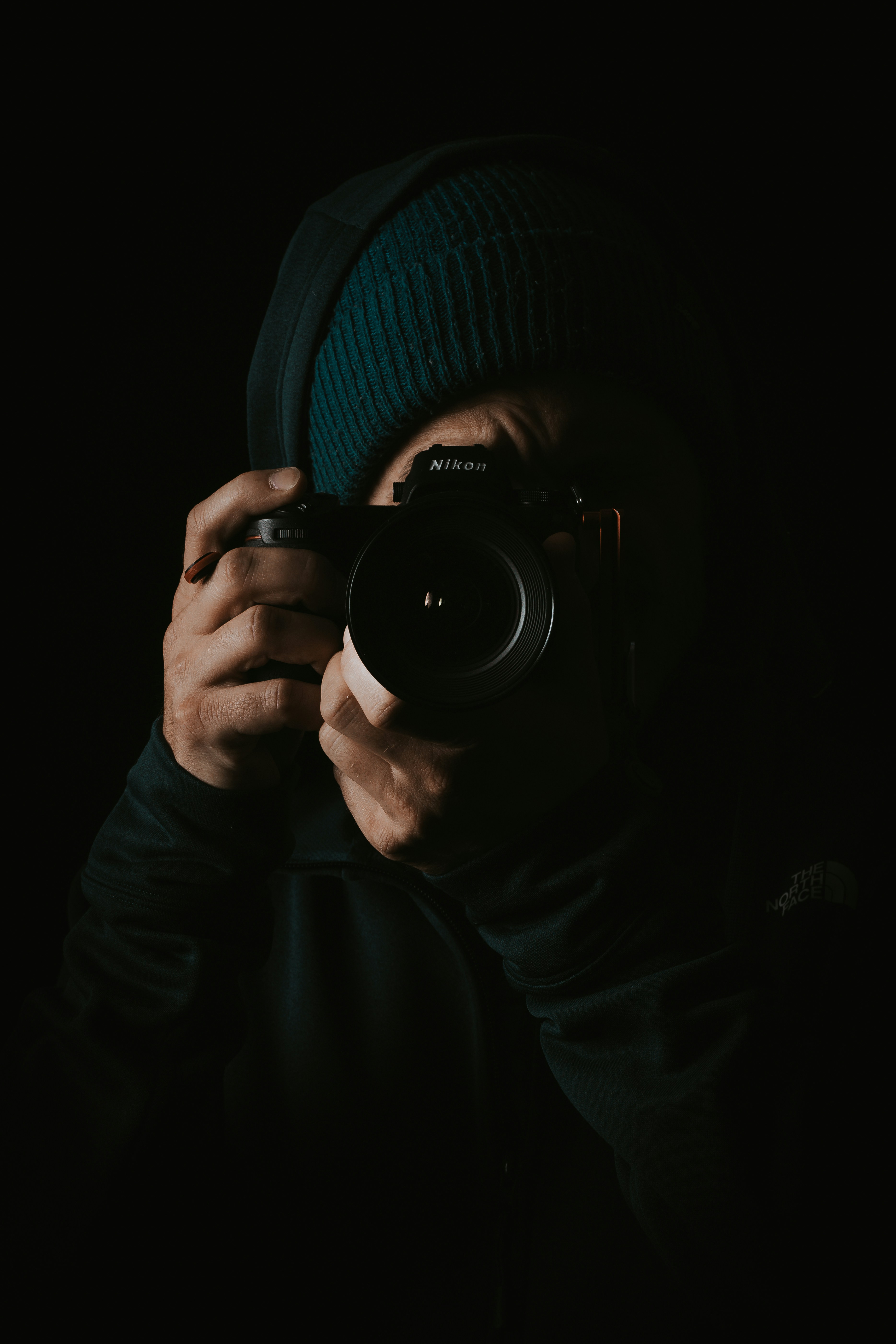
Photography is one of the most accessible creative careers in Kenya — and one of the most rewarding. Every wedding needs a photographer. Every brand needs product shots. Every publication needs visual content. Every event needs documentation. Yet the gap between amateur phone photography and professional work is enormous, and that gap is where training makes all the difference.
Whether you dream of shooting weddings, building a fashion portfolio, covering news events, or creating content for brands, structured photography training accelerates your journey from enthusiast to professional. This guide covers everything about studying photography in Kenya.
What Professional Photography Involves
Professional photography goes far beyond pressing a shutter button. It requires understanding:
Light — natural and artificial lighting, how to shape it, modify it, and use it to create mood, depth, and drama. Light is the single most important element in any photograph
Composition — rule of thirds, leading lines, framing, symmetry, negative space, and when to break the rules. Good composition is what makes a viewer stop scrolling
Camera systems — exposure triangle (aperture, shutter speed, ISO), lens selection, focusing systems, and camera settings for different situations
Post-production — editing with Adobe Lightroom and Photoshop. Colour correction, retouching, batch processing, and developing a consistent editing style
Business skills — pricing, client management, contracts, invoicing, portfolio presentation, and marketing yourself as a photographer
Here's the honest truth. Not every creative programme in Kenya is equal. Some institutions have outdated equipment, lecturers who haven't worked in the industry for years, and curricula that haven't been updated since the smartphone era. We've built ADMI specifically to be different — and the results speak for themselves.
Since 2012, ADMI has trained over 3,000 creatives. Our graduates have worked on an Oscar-nominated film. Harvard Business School chose us as a project partner. Microsoft placed its AppFactory in our campus (85% employment rate). Netflix selected us as the only vocational school for their $1M scholarship fund. And the BBC profiled our story as a case study in African creative education.
We're not saying this to boast. We're saying it because when you're choosing where to invest your time and money in training, evidence matters more than brochures.
Photography Courses Available in Kenya
Photography Certificate (6 months)
The Photography Certificate at ADMI is a 6-month hands-on programme designed to take you from beginner to competent photographer. You learn with professional camera equipment in real shooting environments — not just classroom theory.
What the programme covers:
Camera operation — mastering manual mode, understanding exposure, and choosing the right settings for any situation
Studio lighting — working with strobes, softboxes, reflectors, and continuous lighting
Natural light photography — using available light for portraits, events, and outdoor shoots
Portrait photography — posing, expression coaching, and creating flattering images
Product and commercial photography — flat lays, lifestyle shots, and e-commerce imagery
Event photography — weddings, corporate events, concerts, and conferences
Photo editing — Adobe Lightroom workflow, Photoshop retouching, colour grading, and batch processing
Portfolio development — curating your best work into a professional presentation
Progression to Diploma
Photography graduates who want to expand into video can progress to the Film and Television Production Diploma or the Digital Content Creation Diploma. Many professional photographers today shoot both stills and video — making the combination extremely marketable.
Career Opportunities for Photographers in Kenya
Kenya offers diverse photography career paths:
Wedding and event photographer — the most common entry point and one of the most lucrative. A single wedding can earn KES 30,000-150,000+ depending on the package. Kenya's wedding industry is worth billions
Commercial and product photographer — shooting for e-commerce platforms like Jumia, fashion brands, restaurants, and retailers. KES 5,000-30,000 per product shoot
Portrait photographer — family portraits, headshots, graduation photos, maternity shoots. Consistent demand throughout the year
Photojournalist — working for newspapers, magazines, and online publications. BrighterMonday regularly lists photojournalism positions
Corporate photographer — event coverage, headshots, office documentation, and marketing materials for companies. KES 15,000-50,000 per corporate event
Wildlife and travel photographer — Kenya's safari tourism, national parks, and diverse landscapes create unique opportunities. Stock photography on platforms like Shutterstock and Getty provides passive income
Social media and content photographer — creating visual content for brands' Instagram, Facebook, and website. Growing rapidly as businesses invest in digital presence
Freelance — combining multiple specialisations. Many Kenyan photographers earn KES 80,000-200,000+ per month by covering 3-4 events and several commercial shoots monthly
Equipment: What You Need to Get Started
A common misconception is that you need expensive equipment to start. Here is the reality:
During training — ADMI provides professional camera equipment and studio facilities. You do not need to buy your own gear to start learning
Starting out — a used entry-level DSLR or mirrorless camera (Nikon D3500, Canon EOS M50) costs KES 30,000-60,000. This is enough to start earning
Basic kit — camera body, a 50mm prime lens (KES 8,000-15,000), a memory card, and a laptop with Lightroom. Total: under KES 80,000
As you grow — invest in better lenses (they matter more than the camera body), lighting equipment, and a professional editing monitor
The most important investment is training, not equipment. A skilled photographer with a KES 40,000 camera produces better work than an untrained person with a KES 400,000 setup.
Photography in Kenya: Why Now?
Kenya's wedding industry is growing — more couples invest in professional photography and videography
E-commerce growth means every online seller needs product photography
Social media has created insatiable demand for visual content
Tourism photography — Kenya's safari and cultural tourism attracts photographers from worldwide, and local photographers have the advantage of access and knowledge
Corporate investment in visual branding continues to increase
Stock photography platforms allow Kenyan photographers to earn passive income from their archives
Frequently Asked Questions
Can I become a photographer with just a certificate?
Yes. Photography is one of the most meritocratic creative fields — clients care about your portfolio, not your qualifications. A strong portfolio built during a 6-month certificate can launch your career immediately. That said, progressing to a diploma adds video skills and broader credentials.
Do I need my own camera to enrol?
No. ADMI provides professional camera equipment and studio facilities during the programme. You learn on the same quality of equipment used by working professionals.
How much can a photographer earn in Kenya?
Income varies widely by specialisation and experience. Event photographers typically earn KES 30,000-150,000 per event. Full-time employed photographers earn KES 30,000-80,000 per month. Freelancers combining multiple specialisations regularly earn KES 80,000-200,000+ per month.
Is photography a real career or just a hobby?
Photography is a legitimate, well-paying profession. Kenya's events, media, e-commerce, and tourism industries all depend on professional photographers. The key difference between a hobby and a career is training, consistency, and business skills — which is exactly what the certificate programme provides.
Watch: Creative Life at ADMI
See what studying at ADMI is really like — watch these videos from our YouTube channel:
Start Your Photography Career
Explore the Photography Certificate at ADMI — 6 months, hands-on, professional equipment
Visit the ADMI campus to see the photography studio and editing facilities
Apply for the May 2026 intake — places are limited
Start practising with your phone — learn composition, light, and storytelling. The fundamentals apply regardless of the camera
The best camera is the one you have with you. The best training is the one that teaches you to see — and the certificate programme teaches you exactly that.