logo-01.8315cd3f.png&w=256&q=75)
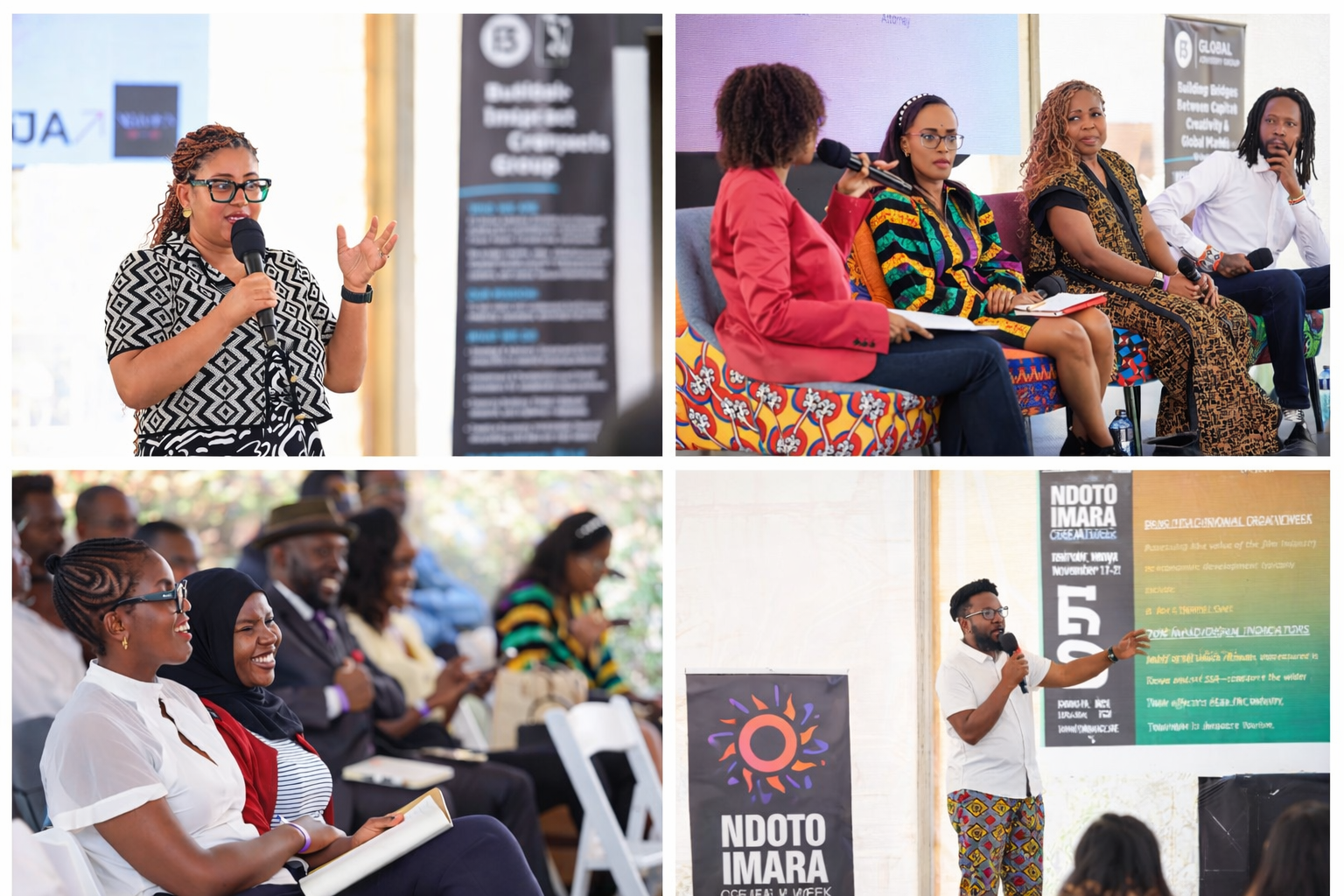
Kenya is becoming East Africa's media capital. Netflix is producing Kenyan series, local broadcasters are expanding, advertising agencies are hiring at record rates, and social media has created an entirely new category of media professionals. Yet the supply of properly trained media practitioners cannot keep up with demand.
If you are interested in storytelling, visual communication, or creative technology, the media and communication industry in Kenya offers real career opportunities — not just creative fulfilment. This guide maps the entire landscape so you can find your path.
Media Disciplines You Can Study in Kenya
The term "media and communication" is broad. Understanding the specific disciplines helps you choose the right specialisation for your interests and career goals.
Film and Television Production
Creating visual stories for cinema, television, streaming platforms, and online media. This includes directing, cinematography, editing, screenwriting, sound design, and production management. Kenya's film sector is experiencing rapid growth, driven by international investment from Netflix, Showmax, and Amazon Prime, alongside a thriving local production scene.
Training pathway: The Film and Television Production Diploma at ADMI covers all aspects of professional filmmaking over 18 months. ECTS-accredited with international ECTS credits.
Career roles: Film director, cinematographer, video editor, documentary filmmaker, TV producer, content producer, freelance videographer.
Salary range: KES 40,000-200,000+ per month, with freelance work often earning more.
Industry demand: High and growing. The Kenya Film Commission reported a 300% increase in filming permits over five years, and every production needs trained crew.
Digital Content Creation and Marketing
The modern media professional creates and distributes content across digital platforms. This combines creative production (video, photography, graphic design, copywriting) with strategic marketing (audience targeting, analytics, paid advertising, SEO). It is the fastest-growing segment of Kenya's media industry.
Training pathway: The Digital Content Creation Diploma covers the full stack — from content strategy to video production and digital marketing.
Career roles: Social media manager, content creator, digital marketer, brand strategist, copywriter, video producer.
Salary range: KES 40,000-300,000+ per month. Top content creators and influencers earn significantly more.
Industry demand: Massive. Every Kenyan business needs digital marketing, and the shift from traditional to digital media spending accelerates each year.
Sound Engineering and Music Production
Audio is a critical component of all media. Sound engineers and music producers record, mix, master, and design audio for music, film, television, podcasts, events, and advertising. Kenya's vibrant music scene and growing events industry create consistent demand.
Training pathways: Sound Engineering Diploma (focused on audio engineering) or Music Production Diploma (focused on creative music production). Both are 18-month ECTS-accredited programmes.
Career roles: Studio recording engineer, mix engineer, mastering engineer, live sound technician, music producer, film sound designer, podcast producer.
Salary range: KES 40,000-200,000+ per month. Freelance engineers earn per-project fees that can exceed monthly salaries.
Graphic Design and Visual Communication
Every piece of media requires visual design — logos, layouts, infographics, user interfaces, social media graphics, packaging, and brand identities. Graphic design is the most versatile creative skill, applicable across every industry.
Training pathway: The Graphic Design Diploma covers branding, typography, UI/UX, print production, and digital design using Adobe Creative Suite and Figma.
Career roles: Graphic designer, UI/UX designer, art director, brand designer, freelance designer.
Salary range: KES 30,000-250,000+ per month. Freelancing with international clients can earn in USD.
Animation and Motion Graphics
Animated content is increasingly vital in advertising, education, entertainment, and corporate communication. Kenya's animation sector is young but growing fast, with opportunities in explainer videos, TV content, gaming, and international outsourcing.
Training pathway: The Animation and Motion Graphics Diploma covers 2D animation, 3D modelling, motion graphics, and character design.
Career roles: Animator, motion graphics artist, visual effects artist, character designer, game artist.
Salary range: KES 50,000-180,000+ per month. International freelance rates can be substantially higher.
Here's the honest truth. Not every creative programme in Kenya is equal. Some institutions have outdated equipment, lecturers who haven't worked in the industry for years, and curricula that haven't been updated since the smartphone era. We've built ADMI specifically to be different — and the results speak for themselves.
Since 2012, ADMI has trained over 3,000 creatives. Our graduates have worked on an Oscar-nominated film. Harvard Business School chose us as a project partner. Microsoft placed its AppFactory in our campus (85% employment rate). Netflix selected us as the only vocational school for their $1M scholarship fund. And the BBC profiled our story as a case study in African creative education.
We're not saying this to boast. We're saying it because when you're choosing where to invest your time and money in training, evidence matters more than brochures.
Diploma vs University Degree in Media: An Honest Comparison
Both pathways have value, but they serve different goals:
University degrees in media and communication (4 years) — broader education covering media theory, communication studies, research methods, and general coursework. Typically less hands-on production time. Best suited for careers in journalism, public relations, corporate communications, or academic paths
Vocational diplomas in specific media disciplines (18 months) — focused entirely on practical production skills. Significantly more studio time, equipment access, and hands-on projects. You graduate with a professional portfolio. Best for careers in film production, music, graphic design, animation, and content creation
Key differences that matter for your career:
Time to employment — diploma graduates enter the workforce 2.5 years sooner than degree graduates
Portfolio — diploma programmes produce portfolios; many degree programmes produce essays and exams. In creative industries, your portfolio is your CV
Equipment access — vocational institutions like ADMI invest heavily in professional equipment because production is the core curriculum. Universities spread budgets across many departments
Faculty — vocational programmes often employ working industry professionals; universities typically employ academics with research backgrounds
Cost — 18-month diplomas are typically more affordable than 4-year university programmes
Accreditation — ADMI's EU accreditation through Woolf provides international recognition comparable to university credentials
For careers that require creating media (directing films, producing music, designing brands, creating content), a focused diploma with strong practical training will typically get you hired faster and better prepared than a general media degree.
How to Choose the Right Media Course
With many options available, here is a practical decision framework:
Identify your medium — do you gravitate toward video, audio, visual design, animation, or writing? Each requires different skills, tools, and temperaments. Try creating something in each area to see what energises you
Visit campuses in person — this is non-negotiable. See the studios, touch the equipment, sit in on a session if possible. The quality gap between institutions is enormous and only visible in person
Talk to current students and alumni — ask about their experience, what surprised them, and what they wish they had known. Alumni outcomes tell you more than any marketing brochure
Check accreditation carefully — TVETA registration is the minimum legal requirement in Kenya. International accreditation (like EU/ECTS credits) provides recognition beyond Kenya's borders
Review the curriculum structure — is it mostly theory or mostly production? Count the hours spent in studios versus classrooms. The best programmes have you creating real work from the first semester
Ask about industry connections — does the school have relationships with production companies, agencies, broadcasters, and studios? These connections lead to internships, placements, and jobs
Media Career Outlook in Kenya
The evidence for career growth in Kenyan media is strong:
Kenya's advertising industry was valued at over KES 30 billion in 2024, with digital's share growing year on year
Netflix, Showmax, and Amazon Prime are all actively commissioning East African content
The Kenya Film Commission has reported consistent growth in local and international productions
Social media advertising spend in Kenya grows 20-30% annually
Kenya is positioning itself as a creative economy hub under Vision 2030
Remote work enables Kenyan media professionals to serve clients in Europe, the US, and the Middle East
The African Union has identified creative industries as a key growth sector for the continent
Frequently Asked Questions
What KCSE grade do I need for media courses?
Most creative diploma programmes accept students with a minimum of C- in KCSE. Your creative potential and motivation matter more than your exam grades. At ADMI, the admissions process considers your interest and aptitude alongside academic results.
Can I study media and still get a good job?
Yes — media is not a "soft" career choice. Kenyan companies across every sector need video producers, designers, marketers, and content creators. The salaries listed in this guide are competitive with traditional professions, and the growth trajectory of the creative economy exceeds many "safe" career paths.
Which media discipline pays the most?
Performance marketing (paid advertising) and UI/UX design tend to command the highest salaries in employment. However, content creation, filmmaking, and music production offer higher ceilings for those who build independent practices or personal brands.
Watch: ADMI Student Stories
See what studying at ADMI is really like — watch these videos from our YouTube channel:
This Is ADMI — The Class of 2025 (23:45)
Kenya's media credentials are already proven at the highest level. ADMI graduates contributed to Watu Wote, an Oscar-nominated film that BBC profiled as an example of Africa's creative industries becoming a major economic force.
Why ADMI: Global Partnerships
ADMI's credibility extends beyond Kenya:
Harvard Business School — selected ADMI as a Field Immersion Project Partner
Microsoft — launched its AppFactory skills lab at ADMI (85% graduate employment rate)
Rubika + AFD — French Development Agency funded animation programmes through a partnership with Europe's top-ranked animation school
Wowzi — partnered to empower 1 million content creators across Africa
Start Your Media Career
ADMI offers six ECTS-accredited diploma programmes covering the major media disciplines — all taught by industry professionals in Nairobi, with professional studios and equipment.
Browse all six diploma programmes to find your specialisation
Visit the campus to see the facilities and meet the faculty
Apply for the May 2026 intake — spaces fill quickly
The media industry rewards makers, not just thinkers. The right training gives you the skills, the portfolio, and the connections to build a career in one of Kenya's fastest-growing sectors.