Music Production Courses in Kenya
Compare diploma, certificate, and sound engineering programmes for 2026 — fees, curriculum, accreditation, and career outcomes
Why Study Music Production in Kenya?
Kenya is at the centre of an East African music revolution. The global rise of Afrobeats, combined with homegrown genres like Gengetone, Genge, and a thriving gospel music industry, has created unprecedented demand for trained music producers. Nairobi is the creative hub — home to major studios, record labels, and a generation of artists who need professional production.
Streaming platforms like Spotify, Apple Music, and Boomplay have opened global distribution channels that did not exist five years ago. Kenyan artists are reaching international audiences, and the producers behind those tracks are building sustainable careers. The advertising industry, Nollywood's expansion into East Africa, and the gaming sector all need original music — further widening the opportunity for skilled producers.
Yet most aspiring producers in Kenya are self-taught, working from bedrooms with limited knowledge of music theory, mixing, mastering, or the music business. A structured music production course gives you the technical foundation, studio experience, and industry connections that separate working professionals from hobbyists.
Whether you want to produce Afrobeats hits, compose film scores, create advertising jingles, or build your own studio, formal training accelerates your journey. Here is a complete guide to the music production courses available in Kenya for 2026.
Types of Music Production Courses Available
ADMI (Africa Digital Media Institute) offers three distinct pathways into music production, each designed for different experience levels and career goals. All programmes are taught at ADMI's Nairobi campus, which features professional recording studios equipped with SSL consoles, isolation booths, and industry-standard monitoring systems.
Music Production Diploma (2 Years)
The Music Production Diploma is ADMI's flagship programme for aspiring producers, composers, and beat makers. Over two years, you develop comprehensive skills in composition, arrangement, beat-making, recording, mixing, and mastering. The programme carries ECTS credits through Woolf, meaning your qualification is recognised internationally.
You train on industry-standard DAWs — Logic Pro, Ableton Live, Pro Tools, and FL Studio — in professional studio environments. The curriculum covers music theory, songwriting, MIDI programming, sampling, sound design, vocal production, and the business side of music including publishing, royalties, and sync licensing.

Kennedy Wathome, Course Leader for Music Production at ADMI, guides students through professional studio sessions.
Sound Engineering Diploma (2 Years)
The Sound Engineering Diploma focuses on the technical side of audio — recording, mixing, mastering, and live sound reinforcement. If you are drawn to the engineering craft rather than composition and beat-making, this programme is your path. Like the Music Production Diploma, it is a 2-year programme with ECTS credits via Woolf.
Students learn signal flow, microphone techniques, console operation (including ADMI's SSL analogue consoles), acoustics, studio design, Pro Tools certification-level skills, and live event sound. Graduates work as studio engineers, mixing engineers, mastering engineers, and live sound technicians. To understand more about this career path, read our guide on what sound engineering is and why it matters.

Hendrick Sam, Head of Sound Engineering at ADMI, brings years of professional studio and live sound experience to the programme.
Foundation Certificate in Music Production & Sound Engineering (4 Months)
The Foundation Certificate is a 4-month intensive programme designed as a bridge into the diploma. It is ideal for students who do not meet diploma entry requirements directly, or for anyone who wants to explore music production before committing to a 2-year programme.
At KES 85,000 per term, the foundation certificate covers the essentials — basic music theory, introduction to DAWs, recording fundamentals, and an overview of both production and engineering workflows. Upon completion, you can progress directly into either the Music Production Diploma or the Sound Engineering Diploma. The certificate is TVETA registered.
What You Learn on a Music Production Course
A comprehensive music production course goes far beyond learning how to use software. At ADMI, the music production curriculum is structured to develop both your creative instincts and technical capabilities.
Music Theory & Composition
Harmony, scales, chord progressions, song structure, and arranging. You learn to read and write music, understand keys and modes, and compose original pieces across multiple genres.
DAW Proficiency
Deep training on Logic Pro, Ableton Live, FL Studio, and Pro Tools. You learn recording, editing, MIDI programming, automation, virtual instruments, and workflow optimisation for each platform.
Beat-Making & Programming
Drum programming, sampling, synthesis, layering, and groove construction. You study genre-specific production techniques for Afrobeats, hip-hop, electronic, pop, and gospel.
Recording & Vocal Production
Microphone selection and placement, signal flow, gain staging, directing vocal sessions, comping, tuning, and processing vocals for release-ready quality.
Mixing & Mastering
EQ, compression, reverb, delay, spatial placement, stereo imaging, bus processing, and mastering for streaming platforms. You learn to deliver tracks that sound professional on any playback system.
Sound Design
Creating original sounds using synthesisers, samplers, and processing chains. Sound design skills apply to music production, film scoring, game audio, and media content creation.
Music Business
Publishing, royalties, copyright, sync licensing, contracts, distribution, and building a sustainable career. Understanding the business side is essential for any producer who wants to earn from their work.
Music Production Course Fees in Kenya
Here is a side-by-side comparison of the three music production and sound engineering programmes available at ADMI for 2026. All fees are in Kenyan Shillings (KES).
| Feature | Music Production Diploma | Sound Engineering Diploma | Foundation Certificate |
|---|---|---|---|
| Duration | 2 Years | 2 Years | 4 Months |
| Cost | KES 100,000/semester | KES 100,000/semester | KES 85,000/term |
| Focus | Composing, beat-making, DAWs | Recording, mixing, live sound | Bridge to diploma |
| Accreditation | ECTS-accredited | ECTS-accredited | TVETA registered |
| DAWs Covered | Logic Pro, Ableton, FL Studio, Pro Tools | Pro Tools, Logic Pro, Ableton | Logic Pro, FL Studio |
| Entry Requirements | KCSE certificate (C- minimum) | KCSE certificate (C- minimum) | KCSE certificate (any grade) |
| Intakes | January, May, September | January, May, September | January, May, September |
Next intakes: September 2026 and January 2027. Payment plans are available for all programmes.
Music Production vs Sound Engineering — Which Course is Right for You?
This is the most common question prospective students ask, and the answer depends on where your passion lies. Both disciplines are essential to creating professional music, and there is significant overlap — but the emphasis is different.
Choose Music Production if you want to be the creative force behind the music. Producers compose beats, write chord progressions, arrange songs, and shape the artistic direction of a recording. You are the person who creates the instrumentals, works with artists on melody and lyrics, and decides what the final song should sound like. Think of producers like Magix Enga, Metro Boomin, or Pharrell — they drive the creative vision.
Choose Sound Engineering if you are fascinated by the technical craft — how microphones capture sound, how consoles and signal chains shape tone, how mixing transforms a raw recording into a polished master. Sound engineers are the people behind the faders in recording sessions, live concerts, and broadcast studios. Read more about what sound engineering involves and the career paths it opens.
Many successful professionals develop skills in both areas. At ADMI, the two diploma programmes share some modules, and graduates often cross over. If you are genuinely unsure, the Foundation Certificate introduces both disciplines in four months, helping you decide before committing to a full diploma.
Career Opportunities After Music Production
A music production qualification opens doors across multiple industries. Kenya's creative economy is growing rapidly, and trained producers are in demand beyond the music industry. For a detailed breakdown of salary ranges and career paths, see our music producer career guide.
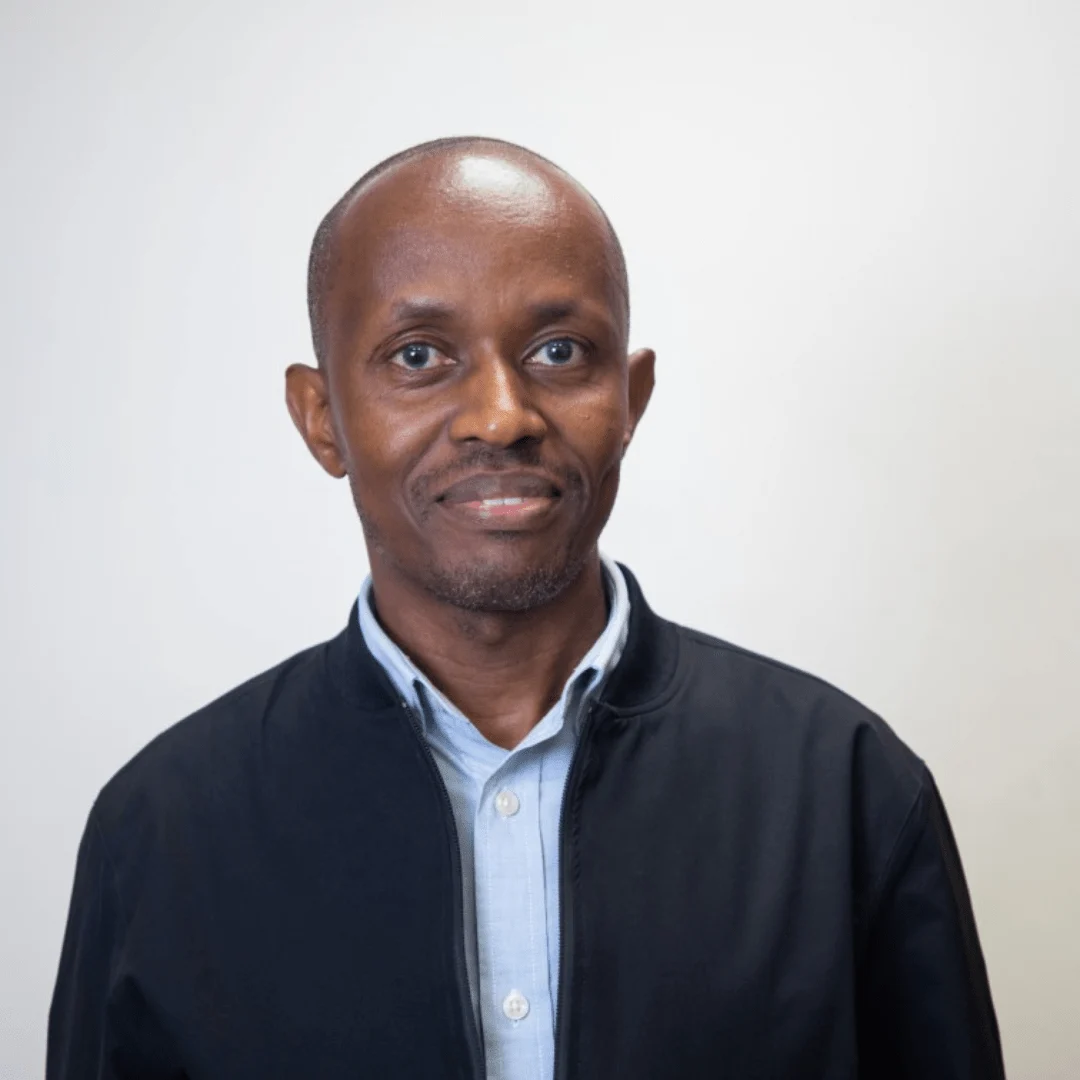
Patrick Kabugi, ADMI graduate, built a career as a professional composer for film and advertising in Nairobi.
Music Producer
Compose beats, arrange songs, and oversee recording sessions for artists. Earn from production fees, royalties, and publishing. Salary range: KES 40,000-500,000/month.
Beat Maker
Create and sell instrumentals online and directly to artists. Platforms like BeatStars allow Kenyan producers to reach global buyers. Per-beat pricing: KES 5,000-50,000.
Film Score Composer
Compose original music for film, television, documentaries, and web series. Kenya's growing film industry (including Showmax and Netflix productions) needs composers.
Jingle / Ad Music Composer
Create music for TV and radio commercials, brand campaigns, and digital advertising. Advertising agencies in Nairobi commission original music regularly.
Mixing & Mastering Engineer
Specialise in the final stages of production — making tracks sound polished, balanced, and ready for streaming platforms. Combines production and engineering skills.
Sound Designer
Create sound effects and sonic textures for games, apps, film, and interactive media. A growing field as Kenya's tech and gaming sectors expand.
Studio Owner / Engineer
Build and operate your own recording studio. Revenue from session bookings, production services, and equipment hire. Many ADMI graduates run successful studios.
For the technical and live sound career path, see our sound engineer career guide which covers studio engineering, live sound, broadcast audio, and post-production roles.
How to Apply for Music Production Courses at ADMI
Applying to ADMI is straightforward. The next available intakes are September 2026 and January 2027. Here is the step-by-step process:
- Choose your programme: Decide between the Music Production Diploma, Sound Engineering Diploma, or the Foundation Certificate. Not sure? Book a campus tour to visit the studios and speak with faculty.
- Submit your application: Complete the online application form on the ADMI apply portal. You will need your KCSE certificate (or equivalent), national ID or passport, and a passport-size photo.
- Receive your offer: The admissions team reviews applications on a rolling basis. Successful applicants receive an offer letter with fee payment details and intake dates.
- Secure your place: Pay the registration fee to confirm your spot. Payment plans are available for all programmes — speak with the admissions team for flexible options.
- Orientation and start: Attend orientation to tour the studios, meet your faculty and classmates, and receive your programme schedule. You start making music from week one.
Frequently Asked Questions
How much does a music production course cost in Kenya?
At ADMI, the Music Production Diploma and Sound Engineering Diploma each cost KES 100,000 per semester. The 4-month Foundation Certificate costs KES 85,000 per term. Both diploma programmes are 2 years and include ECTS credits through Woolf. Payment plans are available.
What are the entry requirements for music production courses?
For the diploma programmes, you need a KCSE certificate with a minimum grade of C- (or equivalent international qualification). No prior music experience is required. For the Foundation Certificate, any KCSE grade is accepted — it is designed as a bridge pathway for students who do not meet diploma requirements directly.
What is the difference between music production and sound engineering?
Music production focuses on the creative side — composing, beat-making, arranging, and producing original music. Sound engineering focuses on the technical side — recording, mixing, mastering, and live sound reinforcement. Both are essential to making professional music, and many professionals develop skills in both areas.
Can I study music production without any music background?
Yes. ADMI's Music Production Diploma starts from the fundamentals — music theory, basic keyboard skills, and introduction to DAWs. Many successful graduates entered the programme with no formal music training. The curriculum is structured to build your skills progressively over two years.
What software do you learn on a music production course?
ADMI trains students on the industry-standard DAWs: Logic Pro, Ableton Live, FL Studio, and Pro Tools. You also learn virtual instruments, plugin processing, MIDI programming, and sampling techniques. The goal is DAW-agnostic proficiency — so you can work in any studio environment.
What jobs can I get after studying music production in Kenya?
Graduates work as music producers, beat makers, studio engineers, mixing and mastering engineers, film score composers, jingle composers, sound designers, and live sound technicians. Many also build independent careers producing for artists, selling beats online, and earning royalties. See our full music producer career guide for salary ranges and detailed career paths.
Ready to Apply?
Join ADMI's next intake and start your music production journey. Train in professional studios, earn ECTS-accredited credits, and graduate with the skills and portfolio to launch your career.
Next intakes: September 2026 and January 2027. Applications are reviewed on a rolling basis.
Featured Course
Music Production Diploma
2-year ECTS-accredited diploma. Compose, produce, mix, and master in professional studios with SSL consoles, Logic Pro, Ableton, and Pro Tools. KES 100,000/semester.
View Course DetailsFoundation Certificate
Music Production & Sound Engineering
4-month entry pathway into the diploma programmes. Ideal if you do not meet diploma entry requirements or want to explore before committing. KES 85,000/term. TVETA registered.
View Foundation CertificateSound Engineering Diploma
Technical Audio Focus
2-year ECTS-accredited diploma focused on recording, mixing, mastering, and live sound. Train on SSL consoles and Pro Tools. KES 100,000/semester.
View Sound Engineering Diploma