logo-01.8315cd3f.png&w=256&q=75)
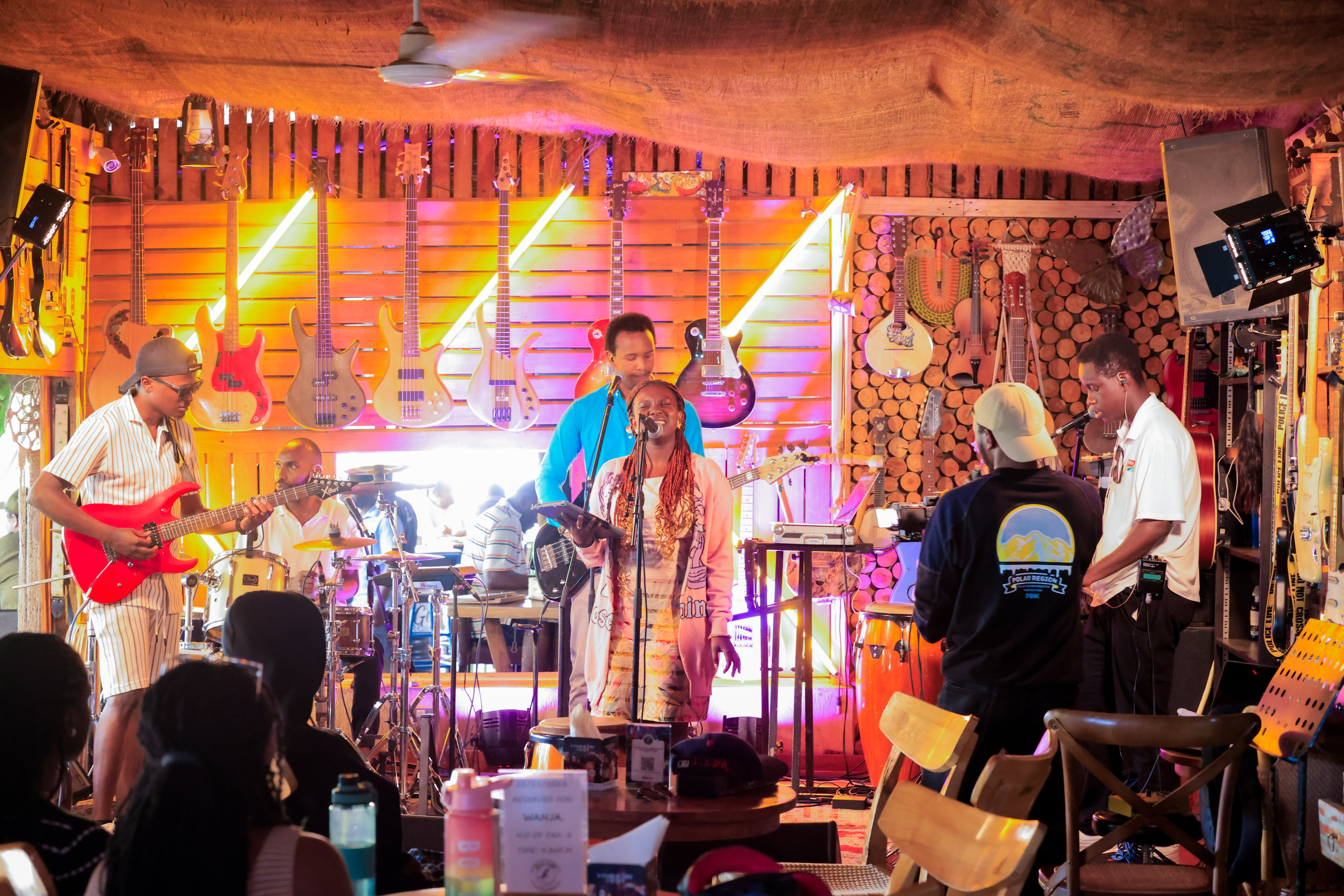
For many young creatives, music production begins quietly. A laptop, a pair of headphones, and late nights experimenting with beats. It starts as curiosity, then becomes a habit—and before long, a question emerges: Can this become more than a hobby?
Across Africa’s creative economy, the answer is increasingly yes. But the path from bedroom producer to professional is not automatic. Talent matters, but structure, training, and real studio exposure are what turn passion into a sustainable career.
At the Africa Digital Media Institute (ADMI), music production is taught as a practical, professional skill—grounded in real tools, real workflows, and real industry expectations.
Why Music Production Skills Are in Demand
Music powers more than entertainment. It drives advertising, film, television, live events, digital content, and brand storytelling. Every artist needs a producer. Every studio needs sound engineers. Every event needs reliable audio.
As Africa’s creative industries continue to grow, so does the need for people who can:
Produce and arrange music professionally
Record and mix vocals and instruments
Support live performances and events with quality sound
Understand how music functions as both art and business
These skills are no longer optional extras. They are core to the industry.
Starting Where Most Creatives Start
Many aspiring producers begin at home, and that’s a valid starting point.
Early learning often includes:
Installing a Digital Audio Workstation (DAW)
Exploring basic beat patterns and song structures
Recording rough vocals or instruments
Experimenting with mixing using EQ and effects
Learning through trial, error, and online tutorials
This stage builds excitement and confidence. But it also reveals limitations.
Where Self-Learning Often Falls Short
Self-teaching can take you far, but not always far enough.
Many beginners struggle with:
Mixes that don’t translate well outside their headphones
Limited understanding of studio workflow
Uncertainty in live sound or professional studio environments
Gaps in ear training and audio fundamentals
Little exposure to the business side of music
Without guidance and feedback, progress slows. This is where structured training becomes critical.
What Professional Music Producers Actually Learn
Professional producers and sound engineers are trained to listen, analyse, and execute with precision.
They develop skills in:
Efficient DAW session management and audio routing
Beat making, arrangement, and sound selection
Recording techniques and microphone placement
Mixing fundamentals and basic mastering concepts
Live sound basics for events and performances
Professional conduct, collaboration, and career pathways
These skills are not learned overnight—and they are best developed in real studio environments.
Learning the ADMI Way: Practice Before Perfection
At ADMI, learning happens through doing.
Students train in professional studios using industry-standard equipment, guided by instructors with real-world experience. The focus is on building foundational competence, confidence, and consistency—not shortcuts or hype.
This hands-on approach prepares learners to step into studios, live venues, and creative teams with clarity and professionalism.
Course Spotlight: Music Production & Sound Engineering Certificate
According to ADMI’s official course outline, students learn:
Music production fundamentals using industry-standard DAWs
Beat making and basic sound design
Audio recording techniques and studio workflow
Mixing fundamentals and an introduction to mastering
Live sound and event audio basics
Professional practice and introductory music industry knowledge
The programme is project-based and practical, with continuous assessment carried out in studio environments. Learners graduate with foundational technical skills and exposure aligned to entry-level roles in music production and sound engineering.
Applicants are encouraged to confirm intake dates, fees, and scholarship availability with ADMI Admissions.
Career Directions This Training Supports
With foundational production and sound engineering skills, learners can pursue paths such as:
Music Producer or Beat Maker
Sound Engineer (studio or live events)
Recording Artist with production capability
Assistant roles in studios, media, and live production environments
These roles exist across studios, venues, media houses, agencies, and independent creative ventures.
For Students and Parents Considering Creative Careers
Music production combines creativity with discipline, technical skill, and collaboration. For students, it offers a structured way to turn talent into employable skills. For parents, it represents a creative pathway grounded in practical training—not guesswork.
This is not about chasing overnight success. It’s about building skills that grow with experience.
Ready to Take Music Seriously?
If music is more than a pastime for you, the next step is not another tutorial—it’s focused, practical training.
Apply to ADMI and build the skills, confidence, and foundation needed to step into Africa’s music industry professionally.
Your sound deserves structure. Your passion deserves direction. Apply now and take your first professional step with ADMI. January intake ongoing.