logo-01.8315cd3f.png&w=256&q=75)
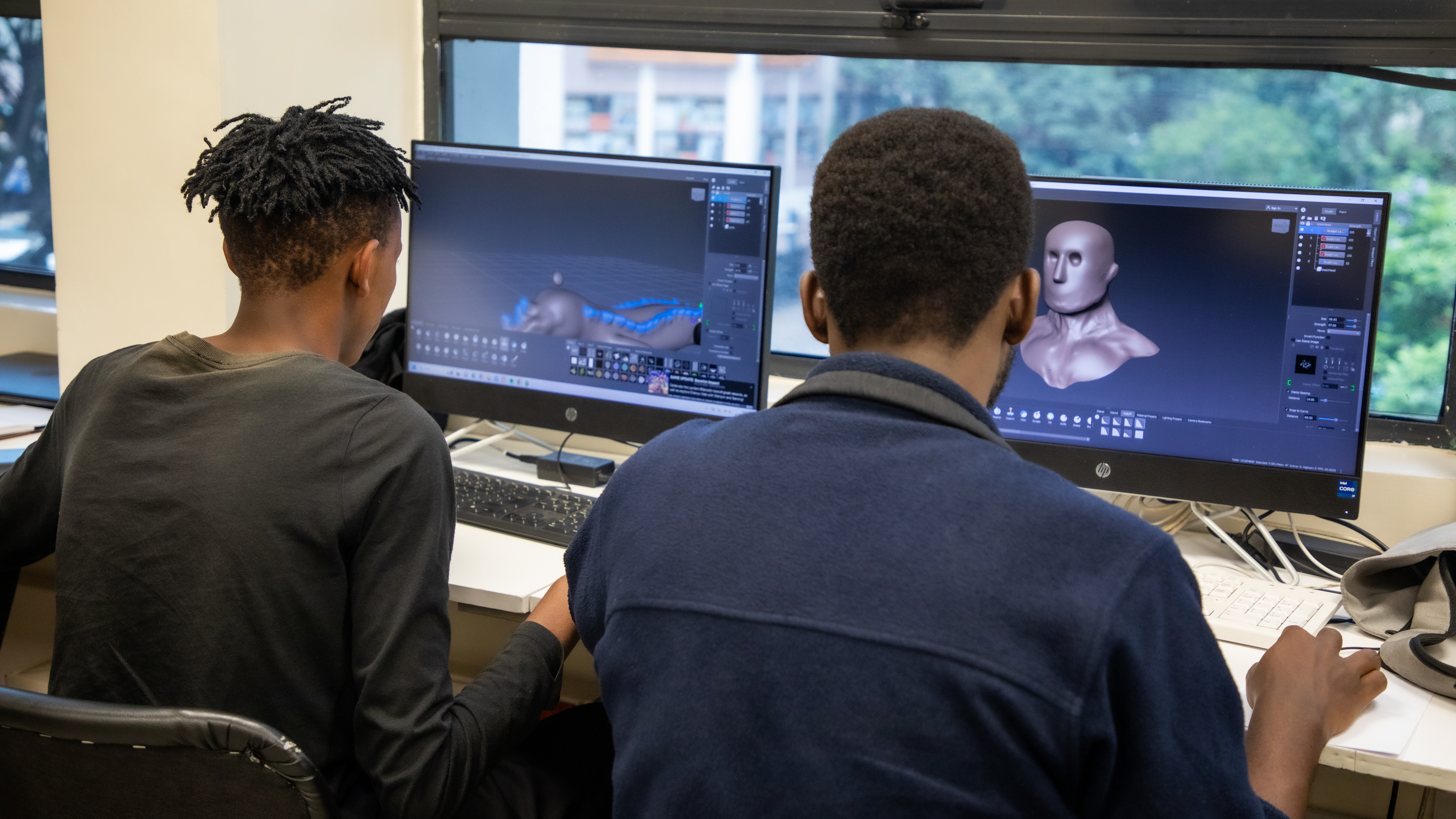
Across Africa, young creatives are discovering a powerful truth: animation is not just an art form—it’s a global career path. At the Africa Digital Media Institute (ADMI), hundreds of students have transformed their passion for drawing, storytelling, and visual expression into professional opportunities. Some arrive with nothing more than a sketchbook and curiosity; others come self-taught and eager to refine their craft. All leave with a shared outcome: the skills and confidence to turn imagination into income.
This is the real journey of ADMI’s animation graduates—how the program works, what the career path truly looks like, and how you can begin your own creative future.
Why Animation in Africa Is Rising Faster Than Ever
Africa’s animation sector is expanding quickly. Brands need digital ads, nonprofits require compelling storytelling, studios are producing original content, and global companies are outsourcing animation work to African talent. Meanwhile, streaming platforms are increasingly interested in stories told from African perspectives.
Despite demand growing across the continent, the number of trained animators remains low—which makes this the perfect moment for emerging creators to join the industry with strong technical training.
What Sets ADMI’s Animation Program Apart
ADMI’s Animation & Motion Graphics program immerses learners in a studio-like environment. Students gain both technical mastery and professional discipline, preparing them for real-world creative work.
At ADMI, students receive:
• A complete animation skillset Storyboarding, character development, 2D and 3D animation, rigging, texturing, motion graphics, visual effects, compositing, editing, and more.
• Hands-on experience with industry-standard tools Students train with the same software and equipment used in professional studios.
• A portfolio built through real projects Every unit includes practical assignments that become part of a professional portfolio.
• Guidance from practicing industry experts Lecturers bring real production experience, ensuring students learn current, relevant skills.
• A collaborative studio environment Students work in teams, participate in critiques, and follow professional production pipelines.
By the end of the program, graduates have more than theoretical knowledge—they have a portfolio that demonstrates their abilities clearly to clients and employers.
A Realistic Look at the Animator’s Career Path
ADMI’s alumni survey reveals a clear, honest career trajectory. Animation is rewarding, but it requires persistence—especially in the early stages.
Year 1: Laying the Groundwork
Most graduates begin with:
portfolio building
small or unpaid internships
low-budget freelance projects
skills refinement and experimentation
Income is often minimal at this stage, but this is where discipline and determination take root.
Year 2: Momentum and First Breakthroughs
With more confidence and an improved portfolio, opportunities expand. Graduates report:
earning KES 30,000–50,000 per freelance project
day rates of KES 5,000–6,000 for on-site animation work
landing their first international freelance gigs
more consistent workflow and referrals
The second year is where many begin to feel the reward of their effort.
Year 3: Stability and Growth
By the third year, many graduates gain financial and creative stability:
retainer contracts that provide steady monthly income
average monthly earnings of KES 50,000–70,000 in active months
higher-paying international contracts
opportunities to specialize or expand into related fields
Some freelancers begin earning in foreign currency, while others start small studios or secure leadership roles.
The message is clear: animation pays off for those who persist.
Graduate Testimonial – Class of 2024
“My early freelance journey was challenging. After completing my program at ADMI, I spent months building my portfolio, taking very small jobs, and learning how to navigate the business side of the industry. But the training I received gave me a strong foundation. In my second year, I started securing better-paying projects—some between KES 30,000 and 40,000—and even a few international clients online. By my third year, I had a stable monthly retainer and was consistently earning over KES 60,000 during busy months. The progress was gradual but steady. ADMI equipped me with the skills; persistence turned those skills into a career.”
This testimonial mirrors the experience of many ADMI graduates: steady growth, increasing opportunity, and long-term reward.
Career Paths Available to ADMI Graduates
ADMI’s animation graduates pursue diverse roles, including:
2D Animator
3D Artist
Storyboard Artist
Character Designer
Motion Graphics Artist
VFX Artist
Game Animator
Freelance Creative or Studio Founder
Some work locally, others remotely for international companies—and many blend multiple creative services to maximize income.
Start Your Animation Journey Today: Simple Exercises
You can begin practicing animation fundamentals even before joining ADMI:
1. Storyboard a simple African folktale
Focus on clear storytelling through 3–5 illustrated panels.
2. Animate a basic walk cycle
Using free tools like Pencil2D or Krita, practice timing and spacing.
3. Create a simple 3D character in Blender
Use basic shapes, add a simple rig, and animate a small gesture like waving.
These exercises give you a strong starting point and prepare you for formal training.
Why Choose ADMI?
Because ADMI provides:
A structured, industry-driven curriculum
Modern facilities and high-spec equipment
Experienced faculty and mentorship
A community of creative peers and collaborators
A portfolio-centered learning experience
Flexible intakes and student support
ADMI doesn’t just teach animation—it prepares students for real careers in the creative economy.
Your Animation Career Starts Here
If you’ve ever sketched characters, imagined worlds, or admired animated films frame-by-frame, you already have the spark. ADMI provides the training to turn that spark into a profession.
Seats for the upcoming intake fill quickly. Early applicants receive a 5% discount on the total fee and priority consideration.
Take the next step today:
Apply for the Animation & Motion Graphics program
Request a course brochure
Begin practicing the exercises above
Your creativity has a future. ADMI will help you build it.
Don’t just watch the future of African animation, create it. Apply now and start your journey in 2026.