logo-01.8315cd3f.png&w=256&q=75)
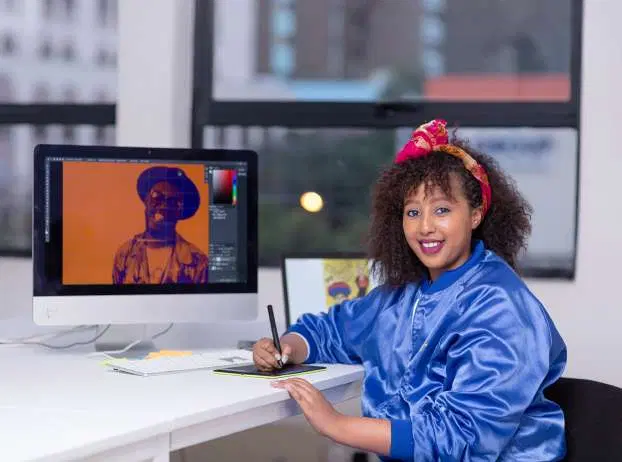
What Does a Graphic Designer Do?
A graphic designer is a visual communicator who creates concepts by hand or using software to convey ideas that inform, inspire, and captivate audiences. They design everything from logos and brand identities to websites, social media graphics, packaging, magazines, and advertising campaigns.
At its core, graphic design is the art of combining typography, imagery, colour, and layout to solve visual communication problems. Whether it's making a business look professional, helping a product stand out on a shelf, or creating a seamless digital experience — graphic designers shape how we see and interact with the world around us.
Graphic design is one of the most versatile and in-demand creative careers today. As businesses across every industry invest in their digital presence, the demand for skilled graphic designers continues to grow — particularly in Kenya and across Africa, where the creative economy is booming.
Types of Graphic Design
Graphic design is a broad field with several specialisations. Understanding the different types helps you identify which area matches your interests and career goals.
Brand Identity and Logo Design
Brand identity designers create the visual elements that define how a company looks and feels — logos, colour palettes, typography systems, business cards, and brand guidelines. This is one of the most high-value areas of graphic design, as a strong brand identity directly impacts business success.
Digital and Web Design
Digital designers create visuals for websites, mobile apps, email campaigns, and online advertising. This includes UI (User Interface) design, landing page design, banner ads, and social media templates. With the growth of e-commerce and digital marketing, this is one of the fastest-growing specialisations.
Print Design
Print designers work on physical materials — brochures, flyers, posters, magazines, packaging, and billboards. While digital has grown, print design remains essential for events, retail, publishing, and out-of-home advertising.
Motion Graphics and Animation
Motion designers bring static graphics to life through animation — animated logos, explainer videos, social media animations, and video titles. As video content dominates social platforms, motion graphics skills are increasingly valuable. ADMI's Animation & Motion Graphics Diploma covers this specialisation in depth.
Illustration
Illustrators create original artwork — editorial illustrations, character design, infographics, children's book art, and custom icons. Illustration adds a unique, hand-crafted quality that photography and stock graphics cannot replicate.
Packaging Design
Packaging designers create the visual design for product packaging — from food and beverages to cosmetics and electronics. In Kenya's growing FMCG and retail sectors, skilled packaging designers are in high demand.
Essential Graphic Design Skills
Becoming a successful graphic designer requires a mix of creative, technical, and professional skills.
Creative Skills
Typography — understanding typefaces, font pairing, hierarchy, and readability
Colour theory — using colour to evoke emotions, create contrast, and build brand recognition
Layout and composition — arranging visual elements to guide the viewer's eye and communicate clearly
Visual storytelling — using imagery and design to tell compelling stories and convey messages
Attention to detail — pixel-perfect precision matters in professional design work
Technical Skills
Adobe Creative Suite — Photoshop (image editing), Illustrator (vector graphics), InDesign (print layout)
Figma or Sketch — modern UI/UX design tools for web and app design
Canva — quick design tool widely used for social media and marketing materials
After Effects or Motion — for motion graphics and animation
Basic HTML/CSS — understanding how designs translate to web is increasingly valuable
Professional Skills
Client communication — understanding briefs, presenting concepts, and handling feedback
Project management — managing multiple projects, deadlines, and revisions simultaneously
Portfolio development — curating your best work to attract clients and employers
Trend awareness — staying current with design trends, tools, and industry developments
What Does a Graphic Designer Do Day-to-Day?
A graphic designer's daily work varies depending on whether they work in-house, at an agency, or as a freelancer. However, typical responsibilities include:
Meeting with clients or stakeholders to understand project requirements and creative briefs
Researching industry trends, competitors, and target audiences for design context
Developing initial concepts — sketching ideas, creating mood boards, and exploring visual directions
Designing final deliverables using professional software (Photoshop, Illustrator, Figma, InDesign)
Presenting designs to clients or team leads and iterating based on feedback
Preparing files for production — exporting for print, web, or social media with correct specifications
Collaborating with copywriters, marketers, developers, and photographers
Managing multiple projects simultaneously, often with tight deadlines
The work spans many formats — one day you might design a billboard campaign, the next you're creating Instagram story templates or laying out a company annual report. This variety is what makes graphic design such an engaging career.
How to Become a Graphic Designer
There are several paths into a graphic design career. Here's a practical roadmap:
1. Get Formal Training
While some designers are self-taught, formal training accelerates your skills and gives you structured knowledge in design principles, industry tools, and professional practice. A graphic design diploma or certificate programme provides hands-on experience with real projects and industry mentorship.
2. Master the Tools
Proficiency in Adobe Creative Suite (Photoshop, Illustrator, InDesign) is non-negotiable for professional graphic design work. Additionally, learning Figma for digital/web design and After Effects for motion graphics significantly expands your capabilities and employability.
3. Build Your Portfolio
Your portfolio is more important than any certificate. It should showcase 8-12 of your best projects across different design types (branding, digital, print). Include the brief, your process, and the final outcome for each project. Use platforms like Behance, Dribbble, or a personal website to display your work.
4. Gain Real-World Experience
Internships, freelance projects, and volunteer work for NGOs or small businesses give you practical experience and portfolio pieces. Many Kenyan agencies and startups offer internship programmes for junior designers.
5. Specialise and Keep Learning
As you gain experience, specialise in an area that excites you — brand identity, UI design, motion graphics, or packaging. The design industry evolves constantly, so continuous learning through online courses, design communities, and industry events is essential.
Qualifications and Education for Graphic Design
While creativity is inherent, the right qualifications can fast-track your career:
Certificate programmes (3-6 months) — ideal for beginners or career changers. Cover design fundamentals, key tools, and portfolio building. ADMI's Graphic Design Certificate is a focused entry point.
Diploma programmes (12-18 months) — comprehensive training covering advanced design, specialisation areas, and professional practice. ADMI's Graphic Design Diploma includes industry placements.
Degree programmes (3-4 years) — full academic study combining design with broader creative arts education.
Self-directed learning — online platforms like YouTube, Skillshare, and Coursera offer supplementary learning, but lack the structured mentorship and industry connections that formal programmes provide.
For employers in Kenya, a strong portfolio often matters more than the specific qualification — but formal training gives you the foundation, discipline, and network to build that portfolio faster.
Graphic Design Salary and Career Outlook in Kenya
Graphic design is one of the most accessible and rewarding creative careers in Kenya. Here's what you can expect:
Salary Ranges (Kenya)
Junior Graphic Designer (0-2 years): KES 25,000-50,000 per month
Mid-Level Designer (2-5 years): KES 50,000-120,000 per month
Senior Designer / Art Director (5+ years): KES 120,000-300,000 per month
Freelance Designers: KES 5,000-50,000 per project, with experienced freelancers earning KES 200,000+ monthly from multiple clients
Top Employers in Kenya
Graphic designers work across virtually every industry in Kenya:
Advertising and creative agencies — Ogilvy, Scanad, WPP-Scangroup, Dentsu
Tech companies and startups — Safaricom, Twiga Foods, M-KOPA, Sendy
Media and publishing — Nation Media Group, Standard Group, Mediamax
NGOs and international organisations — UNICEF, World Bank, USAID
Freelance and remote — serving Kenyan and international clients
Career Growth
Graphic design careers typically progress from Junior Designer → Designer → Senior Designer → Art Director → Creative Director. Many designers also transition into UX/UI design, brand strategy, or start their own design studios. The skills are highly transferable across industries and geographies.
Choosing a Graphic Design School in Kenya
When comparing graphic design schools, look for programmes that balance creative theory with hands-on software training. The best graphic design schools in Kenya and Nairobi offer small class sizes, access to industry-standard tools (Adobe Creative Suite, Figma), real client briefs, and portfolio-building opportunities. ADMI is consistently rated among the best graphic design schools in Nairobi because of its project-based curriculum, practising faculty, and direct industry connections.
Study Graphic Design at ADMI
Ready to start your graphic design career? At ADMI (Africa Digital Media Institute), our graphic design programmes combine creative theory with hands-on practice using industry-standard tools. You'll work on real briefs, build a professional portfolio, and learn from practising designers.
Graphic Design Certificate — 6-month foundation programme covering design principles, Adobe Creative Suite, and portfolio development
Graphic Design Diploma — comprehensive 18-month programme with advanced specialisations, industry placement, and Woolf accreditation
Intakes run in January, May, and September. Explore our courses or apply now to secure your place in the next intake.
Related programme
Ready to turn this into a career? Explore ADMI’s Graphic Design diploma.