logo-01.8315cd3f.png&w=256&q=75)
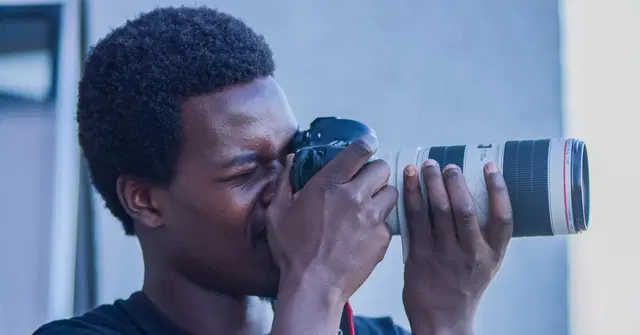
1. How long have you been a photographer? How does your story of picking up a camera start?
My journey began with me messing around with my dad’s expensive camera as a child. He didn’t like that so he bought me my own camera. Those old hand-wound Kodak cameras for like 1,500/-. I loved it. The rest is history.
2. Is this what you always wanted to do?
No actually. I’ve always wanted to be a pilot. The sky always intrigued me. One day, I plan on owning my own helicopter so as soon as I figure it out, I will.
3. What’s your favourite part of photography?
The best parts (because more is better) are always discovering new ideas & techniques, trying them out and creating something beautiful out of it all. The exploration and expression of creativity is a great thing!
4. What’s the worst part?
Failing. Creative blocks happen and they’re usually not very fun but they always come to pass.
5. How did you get into wedding photography?
Someone said, “Hey, you have great pictures, wanna shoot my sister’s wedding?” and I was like, “Sure!”
6. What tips would you offer to someone looking at getting into wedding photography? Your top 3.
i – Look for the moments. The smiles, the dancing, the fun…look for them and show them off. They always make people happy.ii – Have a stand-by camera, extra batteries and memory cards. Even when you don’t think you’ll need them, carry them anyway.iii – Always eat before the reception begins. After that, there probably won’t be any time to do so.
7. Are there things you have to remember that are culturally inclined when you are shooting a wedding, like how a male cannot photograph the females at an Indian wedding?
Yeah, living in an African country, there’s always cultural sensibilities that you have to be aware of and they vary from community to community so always do your research and prepare accordingly.
8. How much money on average do Kenyans pay for wedding photographers in Kenya? Or rather, what range do you think people should start at?
Ha, more is always better, I think, but then I would say, if people like your work, they will invest in your services. I think the going rates nowadays start at about 50,000/- and can get all the way up to 1,000,000/- depending on the many variables involved.
9. Do you think school for photography is important?
Education is important. However, the traditional school setting is not the only way to study photography. The internet is dark and full of wondrous resources that more people should embrace but schools like ADMI who offer a short photography certificate course is a good place to start.
10. What’s the weirdest wedding you’ve ever worked at, or something strange happened like the bride ended up marrying the best man, ha, or they forgot a major part of the wedding, or a custom you’ve never seen before?
I like to think I’m pretty well exposed culturally speaking and so far I haven’t had weird or strange experiences working at a wedding. Perhaps one day I will.
Interested in some more photography tips? check out some more resources here.