logo-01.8315cd3f.png&w=256&q=75)
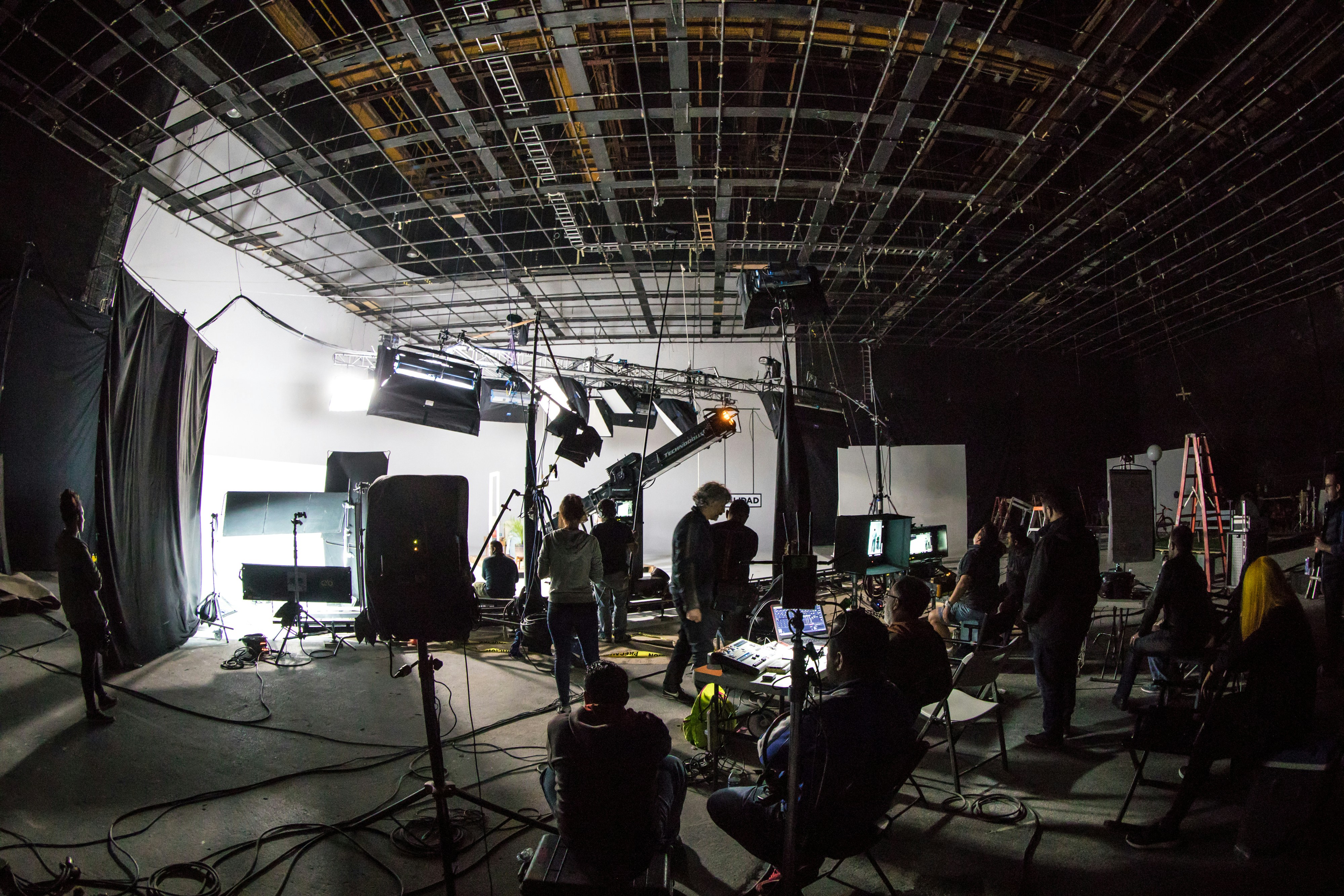
Film Production in Kenya: A Growing Industry
Kenya's film industry is experiencing a renaissance. With international streaming platforms like Netflix, Showmax, and Amazon Prime investing in African content, the demand for skilled film production professionals has never been higher. From Nairobi's thriving production scene to Mombasa's coastal locations, Kenya offers a dynamic environment for filmmakers.
This career guide covers everything you need to know to break into Kenya's film production industry — the skills required, the roles available, how to get trained, and what you can expect to earn.
Why Kenya's Film Industry Is a Golden Opportunity
Several factors are driving growth in Kenya's film and television sector:
Streaming investment — Netflix has commissioned multiple Kenyan productions; Showmax is expanding its original content slate across East Africa
Government support — the Kenya Film Commission (KFC) provides permits, incentives, and promotes Kenya as a filming destination
Growing domestic audience — Kenyan audiences are consuming more local content than ever, creating demand for new productions
International productions — Kenya's diverse landscapes (savannahs, beaches, urban centres, mountains) attract international film crews
Advertising industry — Nairobi is East Africa's advertising hub, with agencies producing high-quality commercial content
YouTube and digital content — Kenyan YouTubers and content creators are building professional production capabilities
Essential Film Production Skills
Breaking into film production requires a combination of creative vision and technical competence. Here are the core skills:
Pre-Production Skills
Screenwriting — crafting compelling stories, writing dialogue, and formatting scripts professionally
Producing — budgeting, scheduling, securing locations, managing cast and crew, and overseeing the entire production
Directing — translating the script into visual storytelling, working with actors, and guiding the creative vision
Storyboarding — visualising scenes before shooting to plan camera angles, movement, and composition
Production Skills
Cinematography — camera operation, lens selection, lighting design, and shot composition
Sound recording — capturing clean production audio on set with boom mics and lavalieres
Lighting — designing and executing lighting setups that create mood, depth, and visual interest
Art direction — designing and building the physical environment of the film (sets, props, costumes)
Post-Production Skills
Video editing — assembling footage, pacing scenes, and shaping the narrative in software like Premiere Pro or DaVinci Resolve
Colour grading — adjusting colour and tone to create a consistent visual style and mood
Sound design — editing dialogue, adding sound effects and Foley, and mixing the final audio track
Visual effects (VFX) — compositing, green screen work, and digital enhancement
Film Production Roles and Career Paths
Film production involves dozens of specialised roles. Here are the most common career paths:
Director — leads the creative vision of the film. Directs actors, works with the cinematographer, and makes key creative decisions.
Producer — manages the business side — financing, scheduling, budgeting, and delivery. Producers make things happen.
Cinematographer / Director of Photography (DP) — responsible for the visual look of the film through camera and lighting choices.
Editor — shapes the story in post-production, selecting takes, pacing scenes, and building narrative flow.
Production Manager — handles logistics — locations, equipment, crew scheduling, and budget management.
Sound Mixer / Boom Operator — captures audio on set during production.
Colourist — applies colour grades in post-production to create the film's visual tone.
Screenwriter — writes original scripts or adapts existing stories for film.
Earnings in Kenya's Film Industry
Film production salaries in Kenya vary widely based on role, experience, and whether you work on local or international productions:
Production Assistant / Intern: KES 15,000-30,000 per month or KES 2,000-5,000 per shoot day
Junior roles (camera assistant, junior editor): KES 30,000-60,000 per month
Mid-level (cinematographer, editor, sound mixer): KES 60,000-150,000 per month
Senior roles (director, producer, DP): KES 150,000-500,000+ per month or per project
International productions: day rates of KES 10,000-50,000+ for experienced crew
Many film professionals in Kenya work freelance, taking on multiple projects throughout the year. Building a strong network and reputation is essential for consistent work.
How to Break into Film Production in Kenya
Start with What You Have
You don't need expensive equipment to start learning. Modern smartphones shoot high-quality video. Start by making short films, music videos, or content for social media. The goal is to practice storytelling, learn camera techniques, and start building a body of work.
Get Formal Training
While self-teaching gets you started, formal training accelerates your growth and provides access to professional equipment, experienced instructors, and industry connections. Film production involves complex technical skills — lighting, sound, editing, colour — that are difficult to master without structured guidance and hands-on practice.
Build Your Network
Film is a collaborative industry. Attend industry events, join filmmaking communities, volunteer on other people's productions, and connect with fellow creatives. In Kenya, organisations like the Kenya Film Commission, Docubox, and film festivals (Kalasha Awards, Lola Kenya Screen) are valuable networking opportunities.
Create a Portfolio
Your showreel and portfolio are your calling card. Compile your best work into a 2-3 minute showreel that demonstrates your range and skills. Include it on your website, Vimeo, or YouTube channel.
Film Schools in Kenya
Kenya's film industry is growing rapidly, and choosing the right film school can make or break your career start. The best film schools in Kenya offer hands-on production experience, professional equipment access, and connections to the local industry. When comparing film schools in Africa, look for programmes with real set experience, not just lectures. ADMI is recognised among the best film schools in Kenya — students work on actual productions from their first term, building a professional showreel before graduation.
Study Film Production at ADMI
At ADMI (Africa Digital Media Institute), our film production programme is hands-on from day one. You'll work with professional cameras, lighting rigs, and editing suites, and produce real films as part of your coursework.
Film & Television Production Diploma — comprehensive 18-month programme covering screenwriting, directing, cinematography, editing, sound, and post-production
Video Production Certificate — focused programme for aspiring videographers and content producers
Film Production (Mombasa) — ADMI's coastal campus offering film production training
Our graduates work on productions for Netflix, Showmax, NTV, Citizen TV, and leading advertising agencies. Intakes run in January, May, and September. Explore our courses or apply now.